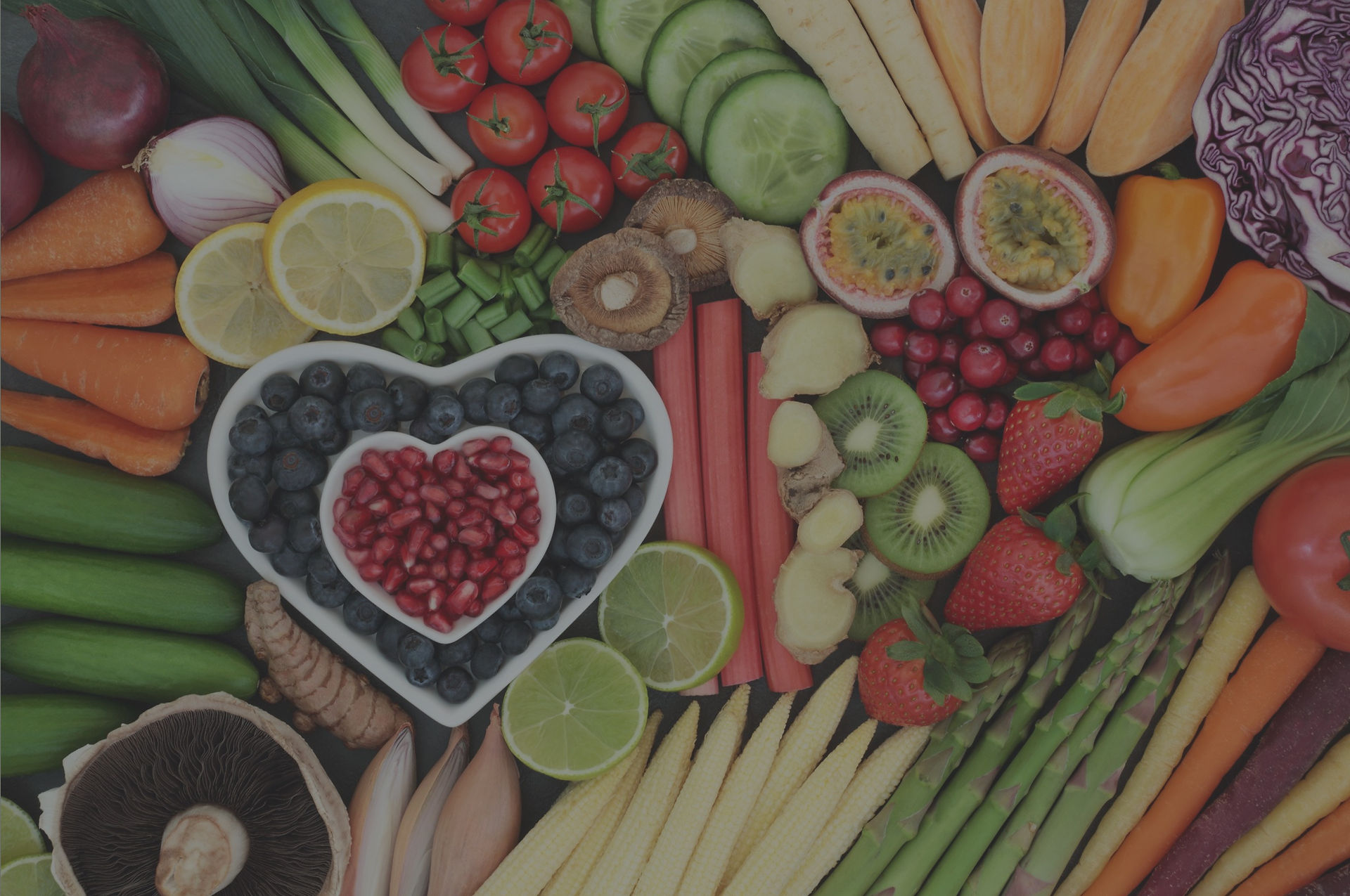


Sustainable Diets
In almost every country in the world we have seen serious problems with regard to food, such as obesity and malnutrition. However, what we eat affects us not only, it also affects the climate, nature and life in the oceans.
Globally, our diets are very restricted, since many of the foods produced are not part of these. The lack of diversity in our dishes not only makes us less resistant to possible pests and epidemics, but also causes a lack of diversity in nature.
In developed countries, excessive consumption of meat and other foods of animal origin is quite common. This type of consumption is more than necessary for nutrition and translates into adverse impacts on both human and planetary health.
According to WWF - World Wildlife Fund - a large part of this production is made unsustainably. The overfishing is threatening not only our fish stocks, but also the entire ecosystem of the oceans. The vegetables we eat are sometimes grown on land that is not subject to positive production practices in nature.

from Getty Images

from Getty Images

from Getty Images
How can I make a difference?
To make a difference we can start at home. Our daily food choices can have a positive impact on nature and contribute to our nutritional and food security. This is exactly the meaning of a sustainable diet.
Sustainable diets must respect ecosystems and biodiversity, as well as be accessible and economically fair.
Although it seems complex, adopting a sustainable diet is an easy way to go. Here are some tips on how to do it:
1. CHOOSE PLANT-BASED FOOD
this tip is very favorable to health and points to a gradual reduction in food production
2. VARY THE FOODS ON YOUR PLATE
the more colorful your dish is, the more varied it is, which means variety in agriculture
3. DO NOT EAT VEGETABLES ONLY AS A FOLLOW-UP
vegetables and fruits are the perfect choice for a snack, for example
4. CHOOSE LOCAL AND SEASONAL PRODUCTS
is the ideal way to support sustainable agriculture and find fresher and tastier foods
![[removal.ai]_tmp-607066e7cbca9.png](https://static.wixstatic.com/media/a8c47d_3d65448045ed49cfa54e7e0dd11f11f3~mv2.png/v1/fill/w_428,h_284,al_c,q_85,usm_0.66_1.00_0.01,enc_avif,quality_auto/%5Bremoval_ai%5D_tmp-607066e7cbca9.png)
5. LEAVE PACKAGED PRODUCTS OUTSIDE
these are highly harmful to health and the environment
6. REDUCE THE CONSUMPTION OF RED AND PROCESSED MEAT
it is better to choose other sources of protein, such as legumes
raising animals for meat is one of the agricultural activities with the greatest environmental impact

7. PURCHASE LOCA FISH
this helps to protect marine fauna and flora, which are increasingly threatened by overfishing
8. CHOOSE PRODUCTS FROM OUTDOOR OPERATIONS AND PASTURES
consumer choices also affect the quality of life of animals